


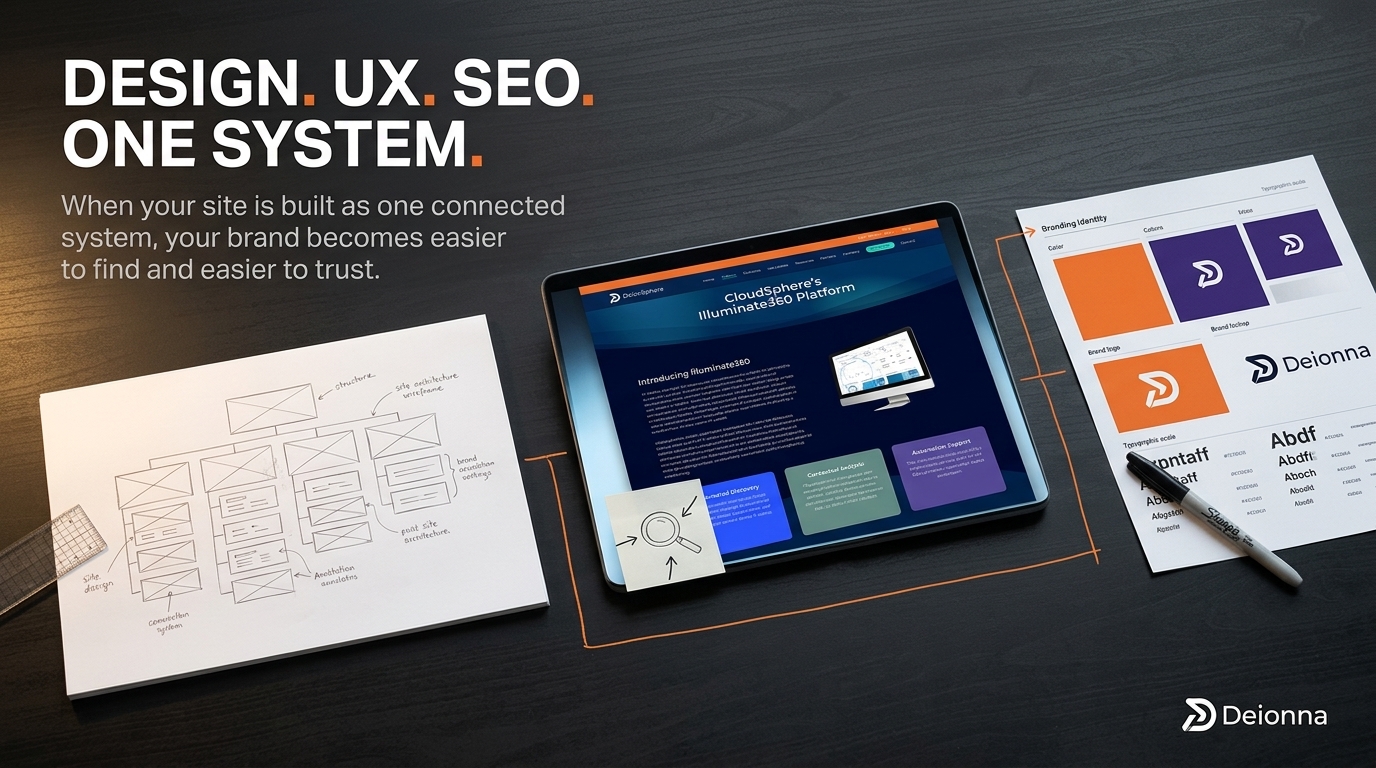
You’ve spent months polishing your website, but traffic and engagement still fall short of expectations. The missing link? Aligning design and UX with a solid SEO strategy from the start. When these elements work as one brand system, your site isn’t just easier to find—it’s clearer and more consistent, too. Let’s explore a Q3-ready framework that helps your brand cut through the noise and commands attention with confidence.
Design, UX, and SEO Synergy
The Power of Integration
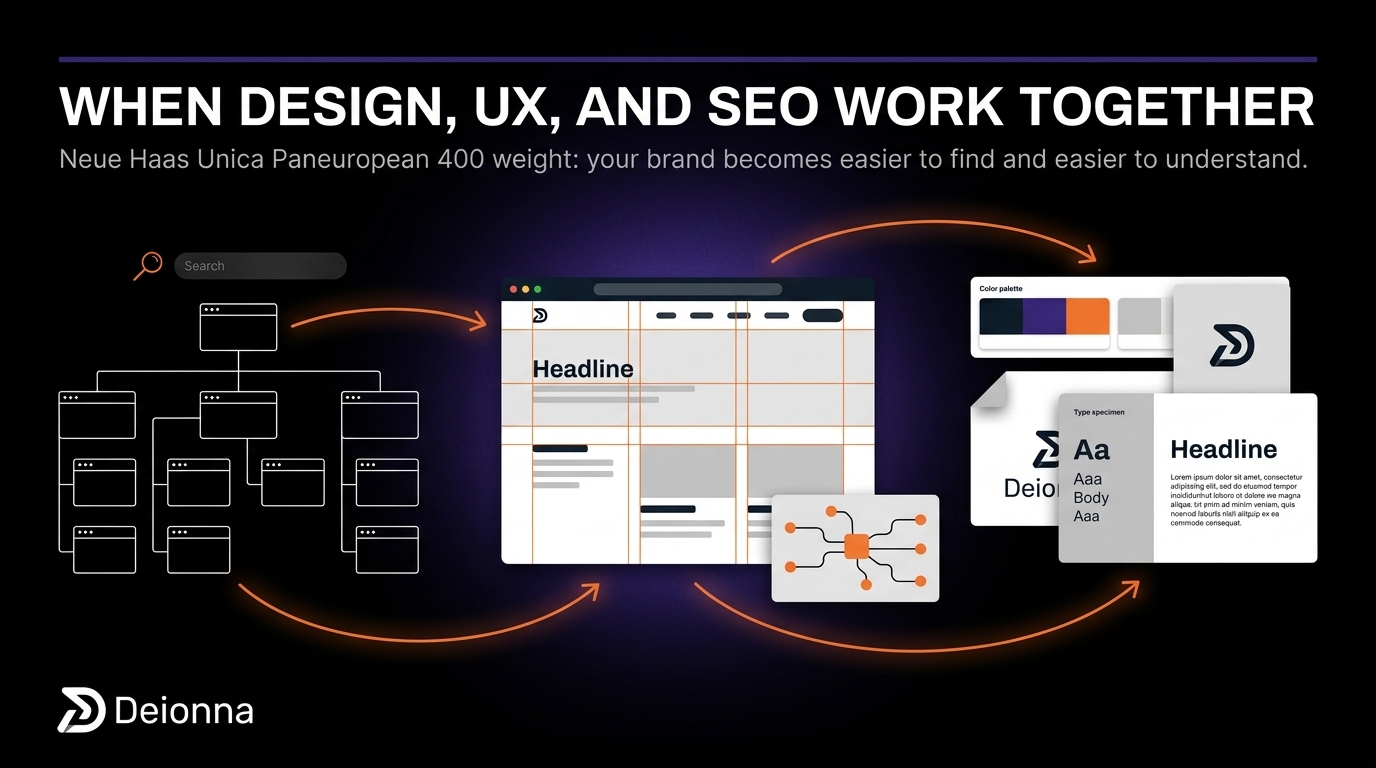
When design, UX, and SEO combine, your brand’s digital presence becomes unstoppable. Integrating these elements ensures your website not only looks good but performs well, drawing users in and keeping them engaged. This synergy is the cornerstone of a site that not only attracts visitors but also delivers a seamless experience.
By weaving together aesthetics and functionality, you ensure that your site is both user-friendly and optimized for search engines. This integration is not just a trend; it’s a necessity for businesses aiming to stand out. With the right approach, your website can become a powerful tool that transforms casual visitors into loyal customers.
Benefits of a Unified Approach
A unified approach to design, UX, and SEO offers numerous benefits. First, it enhances findability, making it easier for potential customers to discover your brand online. A well-optimized site appears higher in search results, increasing visibility.
Second, it ensures brand consistency. When all elements work together, your messaging remains clear and coherent across all platforms. This consistency builds trust and recognition, essentials for cultivating a strong brand identity.
Finally, a unified approach boosts user engagement. A site that is easy to navigate and visually appealing keeps visitors longer, reducing bounce rates and increasing conversions. By focusing on these benefits, you can create a website that not only attracts traffic but also delivers a memorable user experience.
Avoiding Fragmented Experiences
Fragmented website experiences can drive users away. It’s crucial to ensure that every part of your site feels connected and intuitive. Disjointed design and messaging can confuse visitors, leading to lost opportunities.
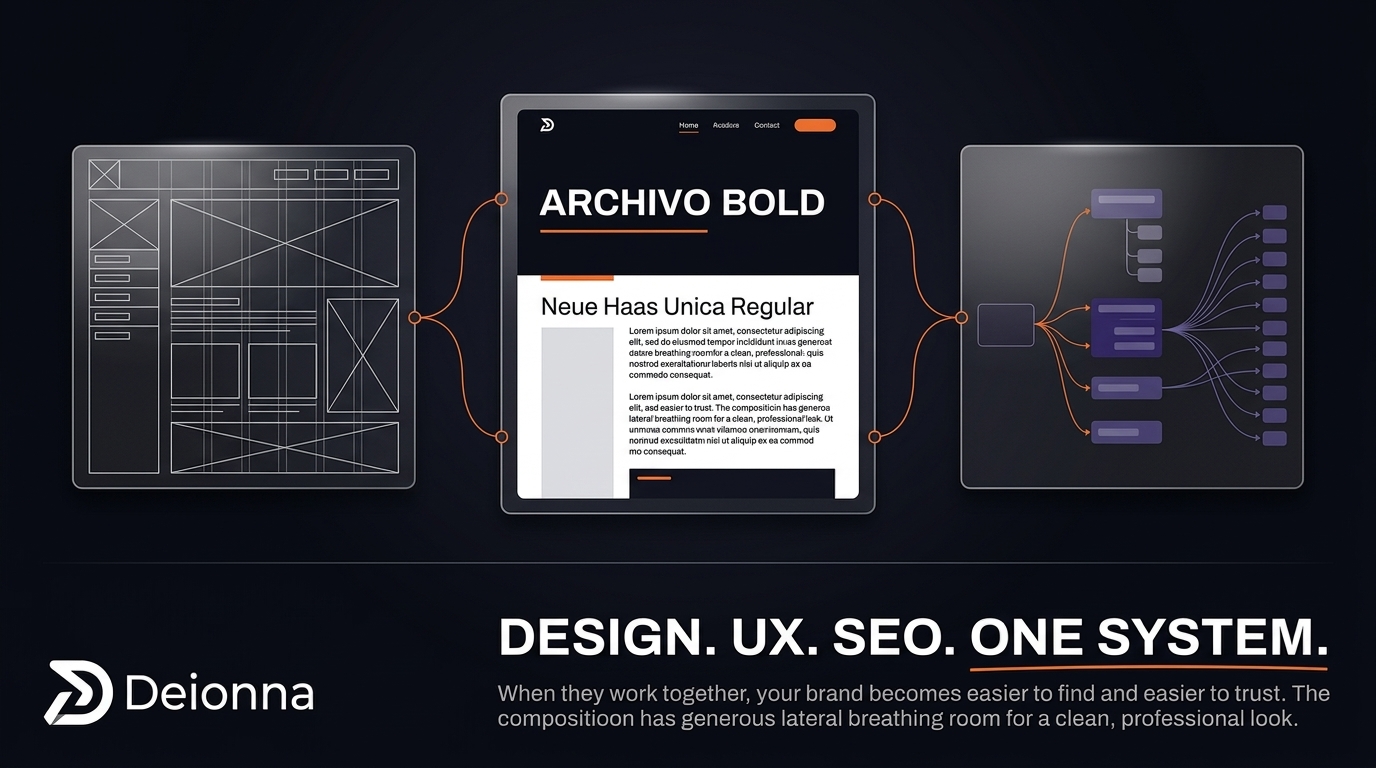
To avoid this, think of your website as a cohesive brand system. Every page, graphic, and piece of content should align with your overall strategy. This alignment prevents users from feeling lost and ensures a smooth journey from landing page to conversion. By committing to a unified strategy, your brand can provide a consistent and engaging experience that keeps users coming back.
Building a Cohesive Brand System
Designing for Findability
Designing for findability means creating a website that search engines love. This involves implementing effective SEO strategies and ensuring your content is easily accessible. Start with keyword mapping to identify the terms your audience is searching for.
Next, focus on on-page SEO, which includes optimizing titles, headers, and descriptions. These elements help search engines understand your content and rank it effectively. Additionally, technical SEO plays a crucial role in findability. This includes improving page speed and ensuring your site is mobile-friendly. By focusing on these aspects, you can increase your site’s visibility and draw in more traffic.
Achieving Brand Consistency
Brand consistency is about maintaining a uniform look and feel across all platforms. To achieve this, start by developing a clear content strategy. This involves defining your brand’s voice, style, and messaging.
Next, implement design systems that guide the visual elements of your site. These systems ensure that colors, fonts, and layouts are consistent and align with your brand identity. Consistency builds trust and helps users easily recognize your brand. By focusing on these elements, you can create a cohesive online presence that supports your overall business goals.
Enhancing User Experience
Enhancing the user experience involves making your website easy and pleasant to use. Start by conducting UX research to understand your audience’s needs and preferences. This research informs the design process, ensuring your site meets user expectations.
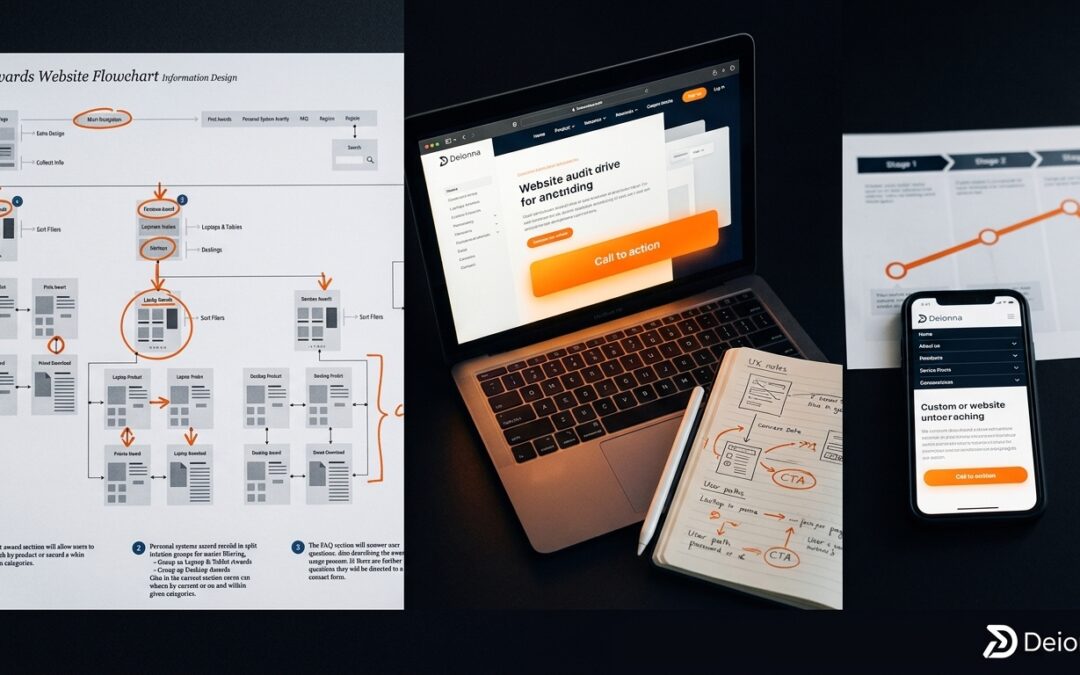
Next, focus on wireframing to plan the layout and structure of your site. This step helps identify potential user paths and ensures a logical flow of information. Additionally, conducting usability testing can reveal areas of improvement, allowing you to refine the user experience. By prioritizing the user, you can create a website that not only meets their needs but exceeds their expectations.
Strategic Planning for Q3
Mid-Year Review Insights
As you plan for Q3, conducting a mid-year review can provide valuable insights. This review helps identify what’s working and what needs improvement on your website. Analyze metrics like page speed optimization and core web vitals to assess performance.
Consider user feedback and engagement rates to understand how visitors interact with your site. By examining these elements, you can identify areas for improvement and set clear objectives for the upcoming quarter. This strategic review sets the foundation for a successful Q3, aligning your website with business goals.
Prioritizing Website Redesign
If your mid-year review reveals significant issues, a website redesign might be necessary. Prioritizing a redesign ensures your site meets modern standards and user expectations. Focus on creating an intuitive navigation design that guides users seamlessly through your content.
Additionally, improve your site’s accessibility to ensure it caters to all users, including those with disabilities. A well-executed redesign can enhance your brand’s online presence and improve user satisfaction. By investing in a redesign, you can create a more effective and engaging digital experience.
Setting Goals for Q3 Improvements
Setting clear goals for Q3 improvements is crucial for success. Start by identifying specific areas for enhancement, such as content hierarchy or conversion optimization. These goals should align with your overall business strategy and address any issues identified in your mid-year review.
Consider setting measurable targets to track progress and ensure accountability. By setting clear objectives, you can focus your efforts and resources on achieving meaningful results. This proactive approach to planning can help your brand stay competitive and continue to grow in the digital landscape.
Frequently Asked Questions
How can I improve my website’s findability?
To improve findability, focus on optimizing your site’s SEO. This includes using relevant keywords, improving page speed, and ensuring mobile-friendliness. These steps can help your site rank higher in search results.
What is the importance of brand consistency?
Brand consistency ensures that your messaging and visuals are uniform across all platforms. This builds trust with your audience and makes it easier for them to recognize and connect with your brand.
Why should I consider a website redesign?
A website redesign can address performance issues and improve user experience. It ensures your site meets modern standards and aligns with your business goals, leading to better engagement and conversions.
How do I enhance the user experience on my site?
Enhance user experience by conducting UX research, planning intuitive site layouts, and performing usability testing. These steps help create a site that is easy to navigate and meets user needs.
What are the key elements of strategic planning for Q3?
Strategic planning for Q3 involves conducting a mid-year review, prioritizing necessary redesigns, and setting clear goals for improvement. This approach helps align your website with business objectives and ensures continued growth.



0 Comments