


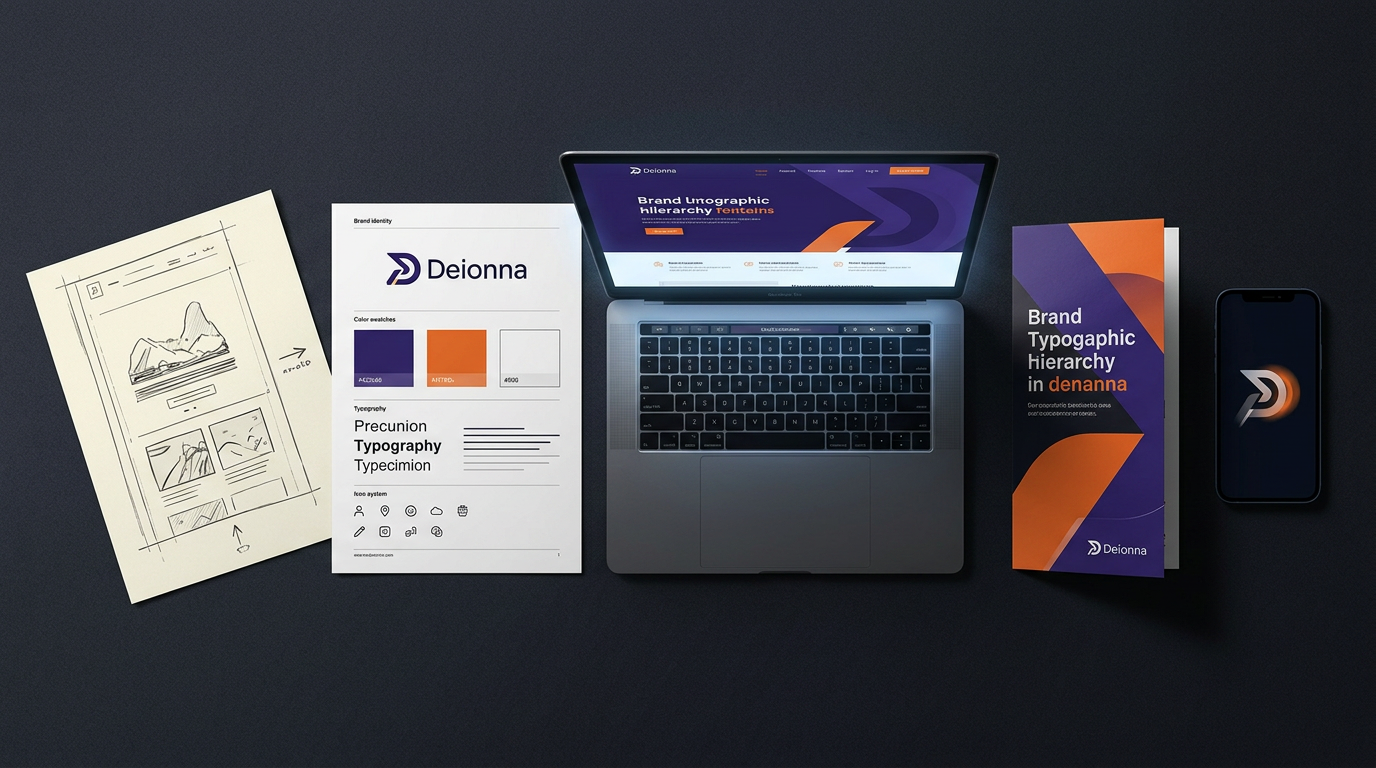
Brand rollouts often stumble where web, print, and motion collide. Your refreshed website looks sharp, but the print materials feel off, and the motion assets miss the mark. That disconnect slows approvals and drains energy. What if one design partner carried a single strategic concept through every channel? You’d get a brand presence that feels unified and a rollout that moves with clarity and purpose. Let’s break down how cross-disciplinary design keeps your visual language tight from sketch to launch. For more insights, visit this guide on maintaining design consistency across platforms.
One Concept Across Every Medium
The magic of a successful brand rollout lies in maintaining a unified theme across all mediums. When every aspect of your brand tells the same story, it resonates more strongly with your audience.
Cohesive Brand Consistency
Achieving brand consistency is crucial. It starts with a single concept that is applied across all channels. This ensures your audience has a clear and recognizable perception of your brand. Consistency builds trust, making your brand more reliable in the eyes of your customers. A consistent brand presentation can increase revenue by up to 23%. When you keep your designs aligned, your brand speaks with one voice, whether it’s on a website, brochure, or video.
Cross-Disciplinary Design Process
Our design process is built to prevent fragmentation across disciplines. By integrating different design aspects under one roof, we ensure that your brand’s story is told seamlessly. We start with a comprehensive understanding of your brand goals, allowing us to create a cohesive strategy that covers web, print, and motion. This approach minimizes the risk of miscommunication and maintains the integrity of your brand’s message, offering a smoother and more efficient rollout.
Visual Language Alignment
The visual language of your brand is the key to creating a memorable identity. A unified design language means your visuals will be instantly recognizable and relatable. This involves selecting color palettes, typography, and imagery that align perfectly across different platforms. By maintaining a consistent visual language, you ensure that your brand is not only seen but also remembered. Visual alignment makes it easier for your audience to connect with your brand on a deeper level, enhancing overall engagement.
From Sketch to Web and Beyond
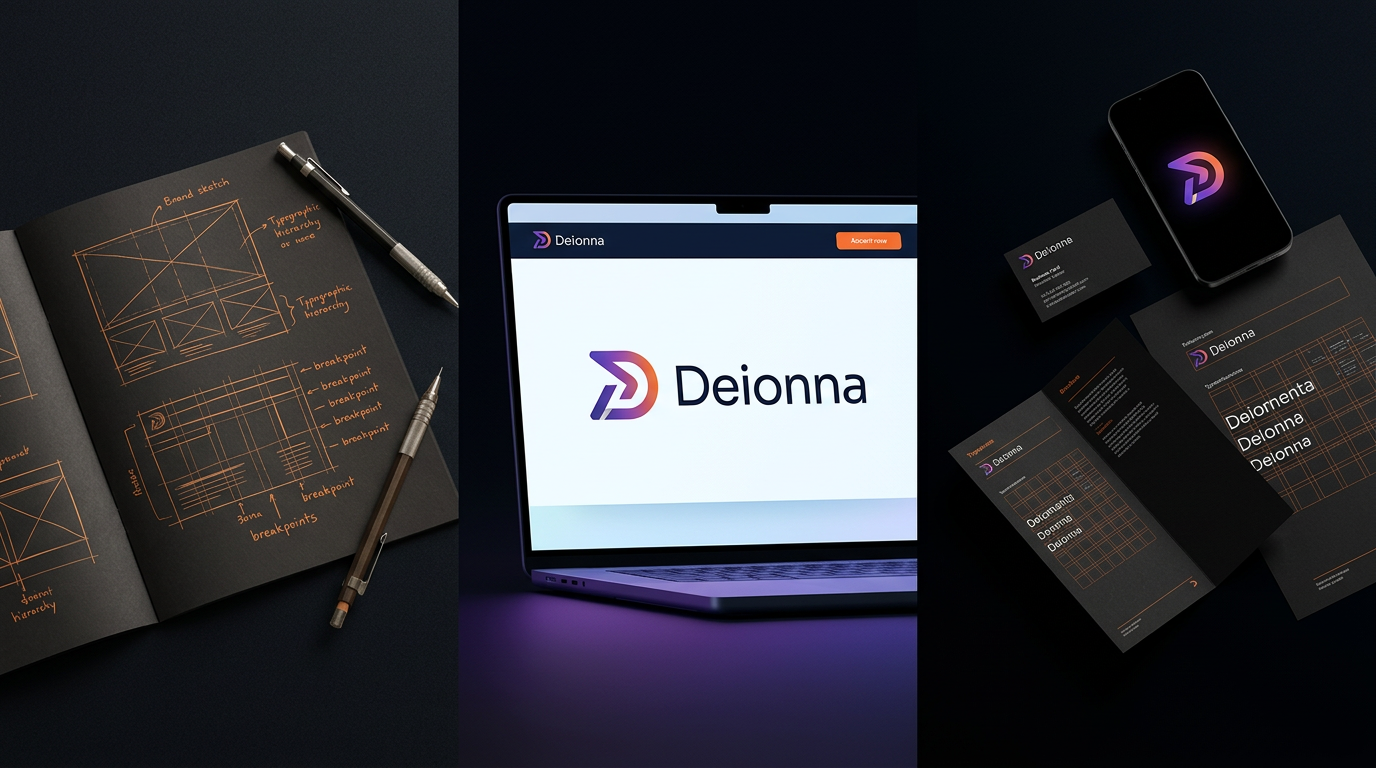
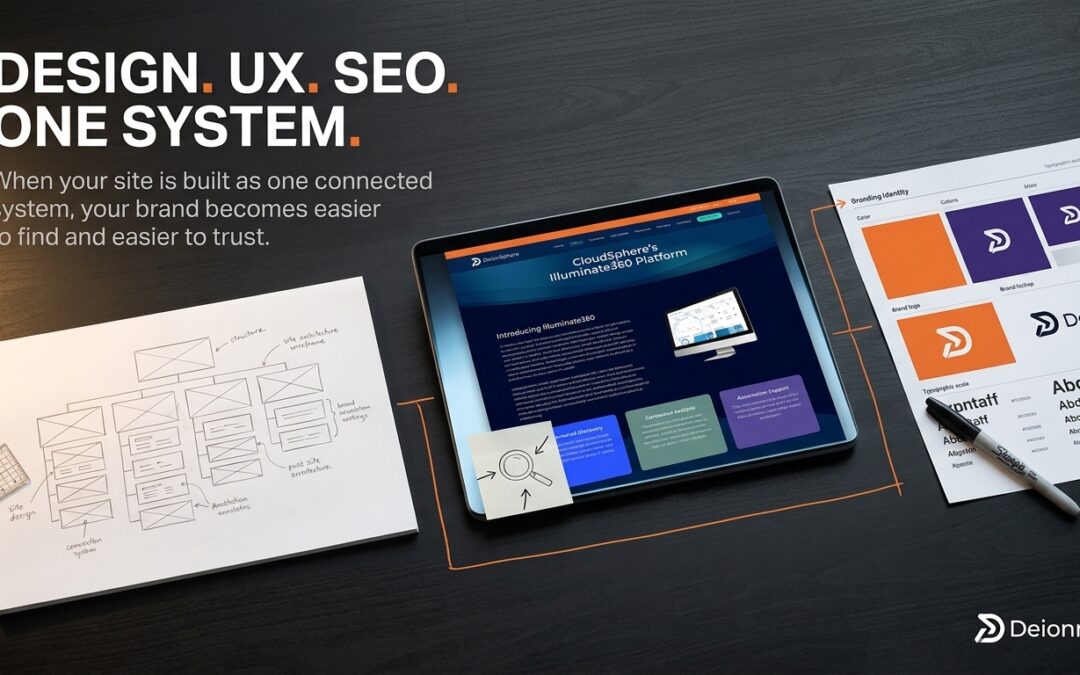
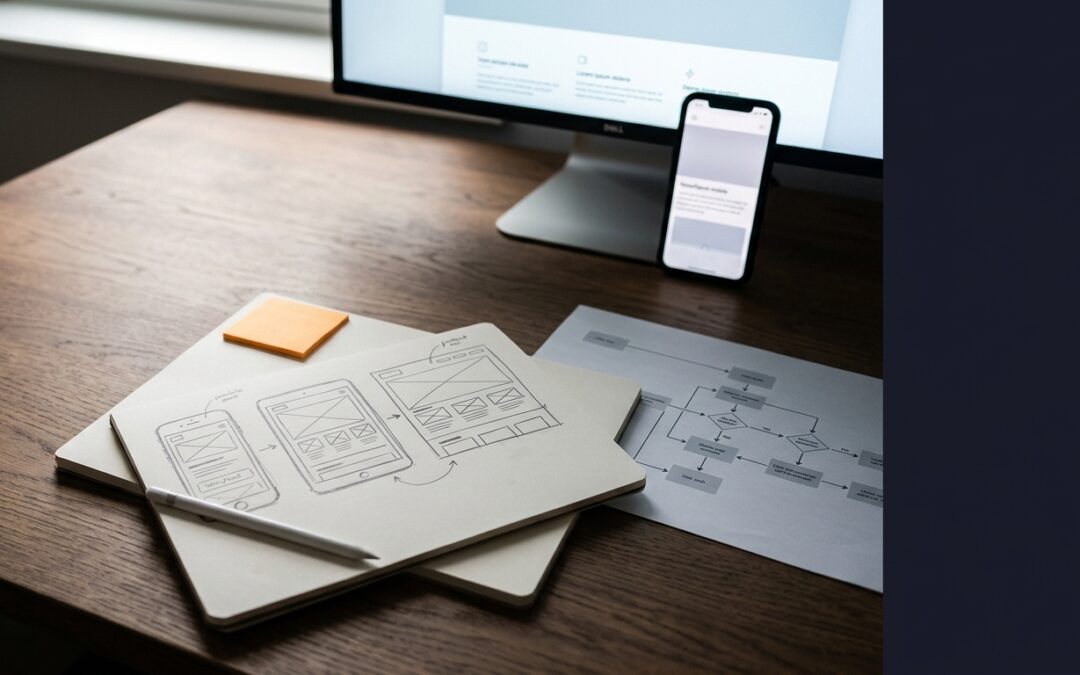
Translating a concept from a mere sketch to a full-fledged digital presence requires meticulous planning and execution. It’s about carrying the same essence throughout the journey.
Integrated Design System
An integrated design system is the backbone of a cohesive brand presence. It ensures that all design elements work together harmoniously. By standardizing components and templates, we create a seamless look and feel across every touchpoint. This system acts as a blueprint that guides the design process, ensuring consistency and efficiency. A well-implemented design system not only saves time but also reduces errors, leading to a more polished final product.
Responsive Web and Accessibility AA
Creating a responsive web design that meets Accessibility AA standards is essential. It ensures your website is not only visually appealing but also usable by everyone. This includes designing layouts that adapt to various screen sizes and ensuring that all users, regardless of ability, can interact with your site effectively. A responsive and accessible website enhances user experience, leading to higher engagement and conversion rates. It’s about making sure that everyone can access and enjoy your brand online.
Figma Design System and Handoff
Using a tool like Figma for design systems enables smooth handoff between design and development teams. This ensures that the final product matches the envisioned design. Figma allows for real-time collaboration and easy updates, making the design process more efficient. A well-structured Figma design system reduces the risk of inconsistencies during development, ensuring that the final output is true to the original design vision. This results in a website that not only looks great but functions seamlessly across all devices.
Print and Motion Excellence
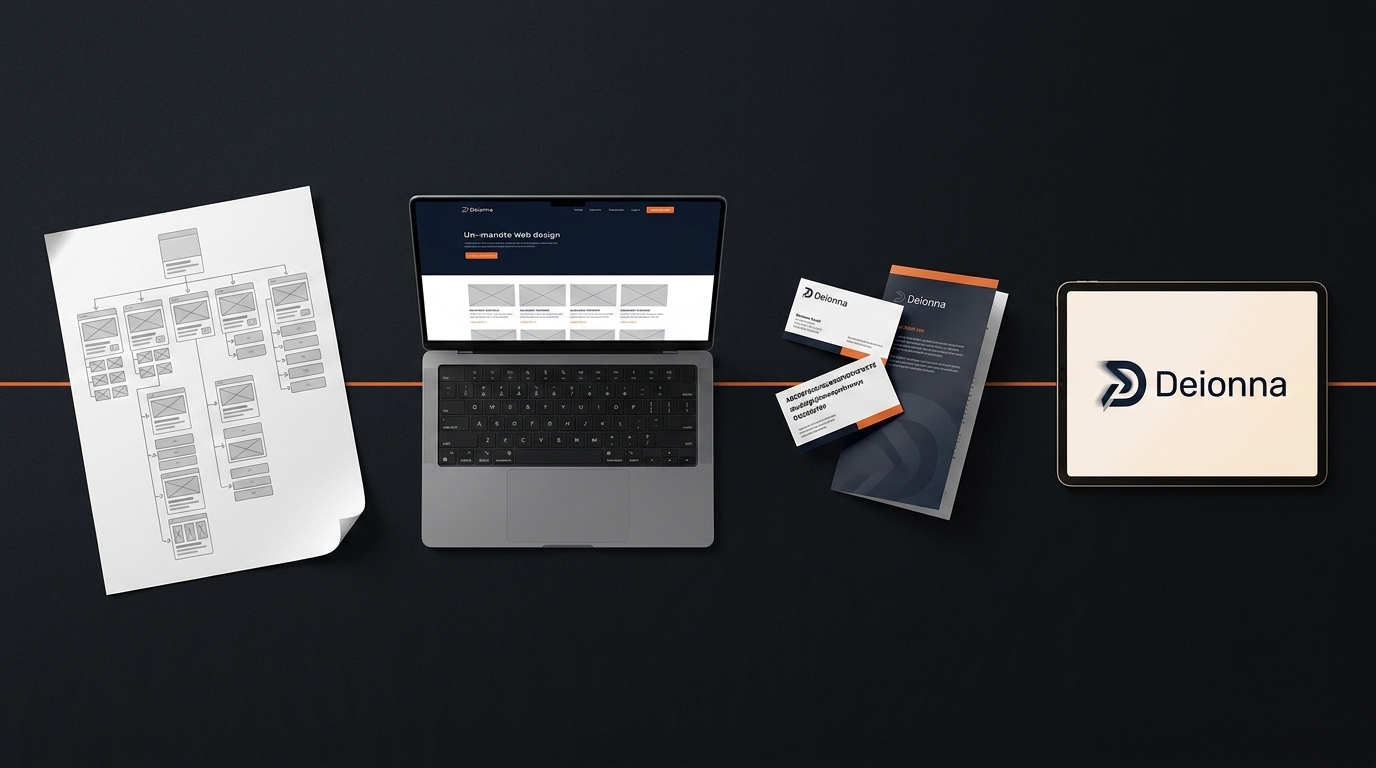
Just as digital is vital, print and motion must align perfectly with your brand’s digital presence. They should complement and enhance the overall brand experience.
Press-Ready Collateral Creation
Creating press-ready collateral is about ensuring your print materials are as polished and consistent as your digital ones. This involves selecting the right materials, colors, and finishes to convey your brand’s message effectively. High-quality print materials leave a lasting impression and can significantly influence how your brand is perceived. By maintaining consistency between your digital and print assets, you create a cohesive brand experience that resonates across all platforms.
Motion Design and Logo Animation
Motion design and logo animation add an extra dimension to your brand. They capture attention and convey your message in a dynamic way. By integrating motion elements, you can create a more engaging and memorable brand experience. Whether it’s a subtle logo animation or an impactful product video, motion design can elevate your brand’s storytelling. It allows you to communicate complex ideas simply and effectively, making your brand stand out in a crowded digital landscape.
End-to-End Design Partner Benefits
Working with an end-to-end design partner ensures a seamless transition from concept to execution. It minimizes the risk of miscommunication and ensures that your brand’s vision is realized in every detail. By partnering with a design firm that can handle all aspects of your brand’s rollout, you gain the advantage of a coordinated and efficient process. This not only saves time and resources but also results in a stronger, more cohesive brand presence.
Frequently Asked Questions
What is cross-disciplinary design?
Cross-disciplinary design involves integrating different design elements, such as web, print, and motion, under one cohesive strategy. This approach ensures consistency across all brand touchpoints, creating a unified brand experience.
How does an integrated design system benefit my brand?
An integrated design system creates a consistent look and feel across all platforms, enhancing brand recognition and trust. It streamlines the design process, reduces errors, and ensures all design elements work together seamlessly.
Why is accessibility important in web design?
Accessibility ensures that all users, regardless of abilities, can access and interact with your website. This broadens your audience, enhances user experience, and can improve your site’s overall performance and search rankings.

0 Comments