


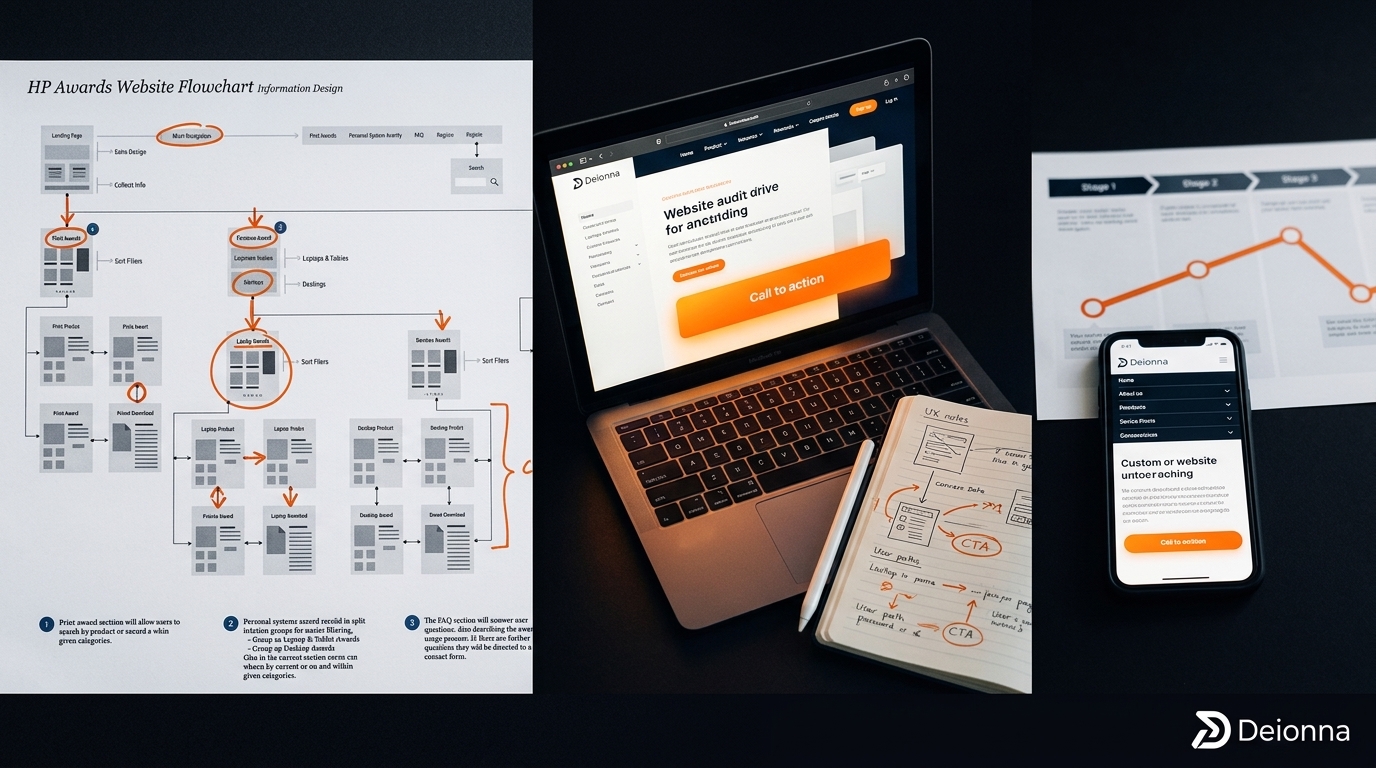
A polished website can look great and still leave visitors confused about what to do next. You might have invested in sleek visuals but noticed your website conversion rate isn’t matching the shine. Here’s the truth: conversion-focused web design relies on intuitive navigation and purposeful page flow to guide your audience toward action. Let’s break down how a custom website design agency turns your site into a clear, compelling path that supports your fall launch campaign with real momentum. For more insights, explore this article on intuitive website design.
The Myth of Visual Appeal
The allure of a visually stunning website can be tempting, but looks alone don’t guarantee success. A beautiful design might catch the eye, but without an intuitive structure, it won’t hold attention or drive action.
Why Looks Aren’t Enough
A visually appealing website can attract visitors initially. Yet, if they struggle to find what they need, they’ll leave. The secret lies not in aesthetics but in how well the site guides users. By focusing on conversion-focused web design, you ensure visitors know where to go and what to do next. This is what turns interest into inquiries and sales, crucial for a fall launch campaign.
Common Design Missteps
Designs often falter when they prioritize looks over user experience. Overly complex layouts and unclear navigation can confuse users. Avoid using too many visual elements that distract from the main message. Simplicity and clarity should be the guiding principles. According to WebTech, intuitive navigation is key to keeping users engaged.
Understanding Website Conversion
Website conversion isn’t just about getting clicks. It’s about turning those clicks into meaningful actions. This involves a strategic call-to-action strategy and clear path flow. When users find the information they need effortlessly, they’re more likely to convert. Remember: a great design supports the user journey, not just the visual appeal.
Crafting a Path to Action
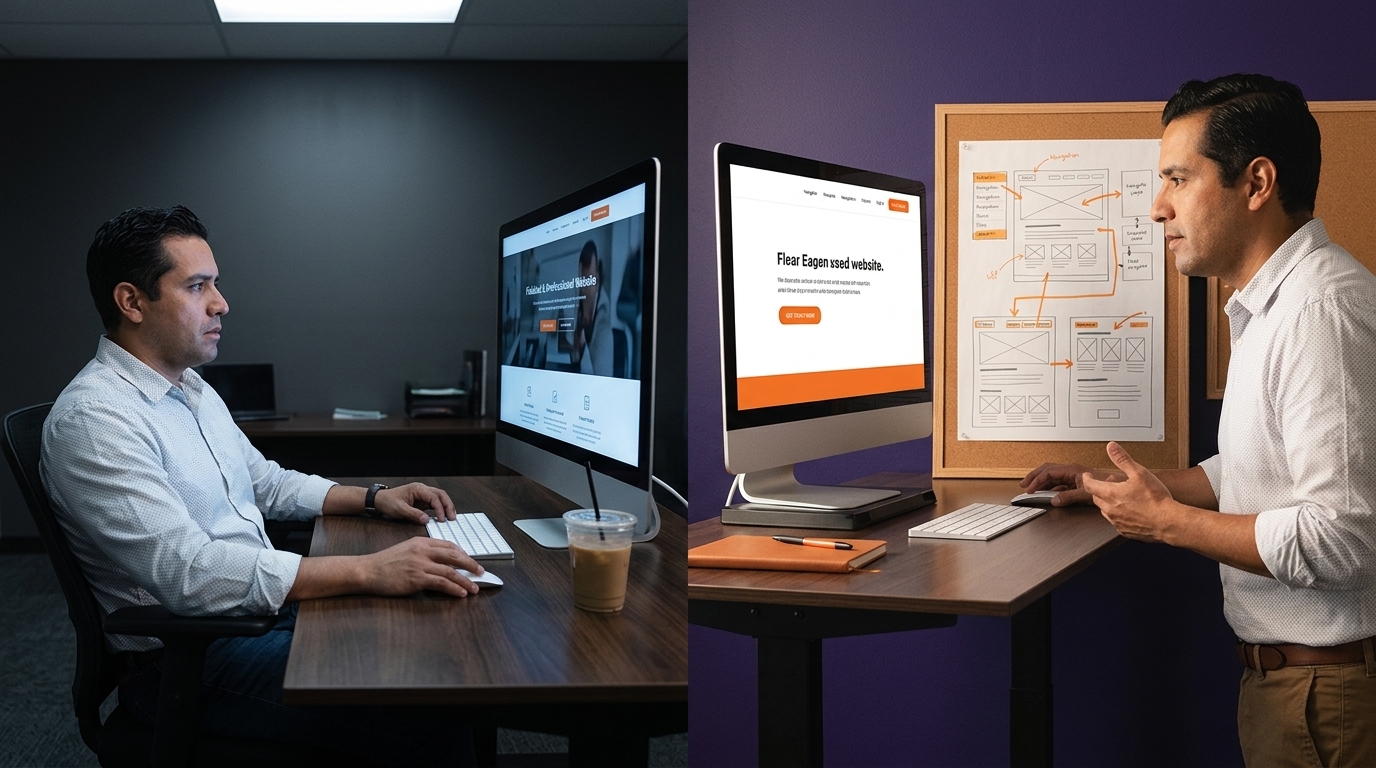
To truly connect with your audience, your site must guide them effortlessly. This involves creating a smooth journey from first impression to final action.
Key Elements of Intuitive Navigation
Intuitive navigation acts like a roadmap for users, helping them find their way. Keep menus clear and simple. Use familiar terms and logical categories. Make sure important links are easy to spot. A well-structured menu makes users feel at home, encouraging them to explore further. Discover more on building intuitive user experiences.
User Journey Mapping Techniques
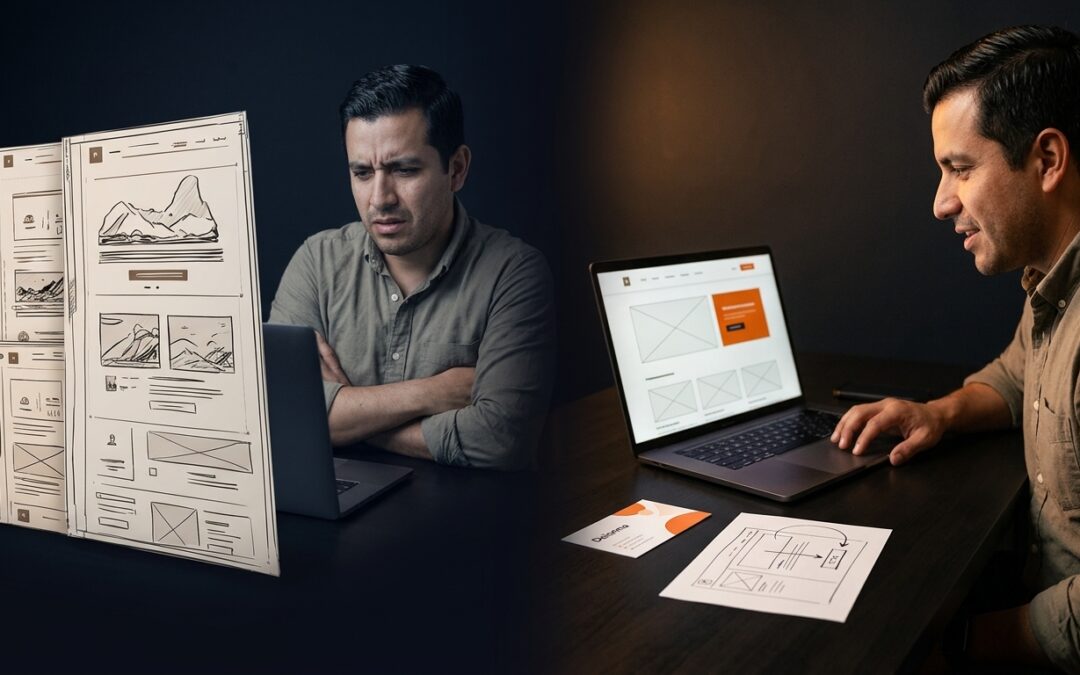
Mapping the user journey involves understanding how visitors interact with your site. Start by identifying key actions you want users to take. Then, design pathways that lead them there efficiently. Use tools like sitemaps and wireframes to visualize this journey. By doing so, you create a roadmap that enhances user experience and boosts conversion rates. Learn more about mapping techniques in this guide.
Importance of CTA Placement
The placement of your call-to-action (CTA) can make or break your conversion strategy. CTAs need to be prominent and compelling. They should appear on every page where a decision is needed. A clear and direct CTA encourages users to take the next step. As The Good suggests, strategic CTA placement is crucial for guiding visitors through your website. Explore the best practices here.
Strategies for a Successful Launch
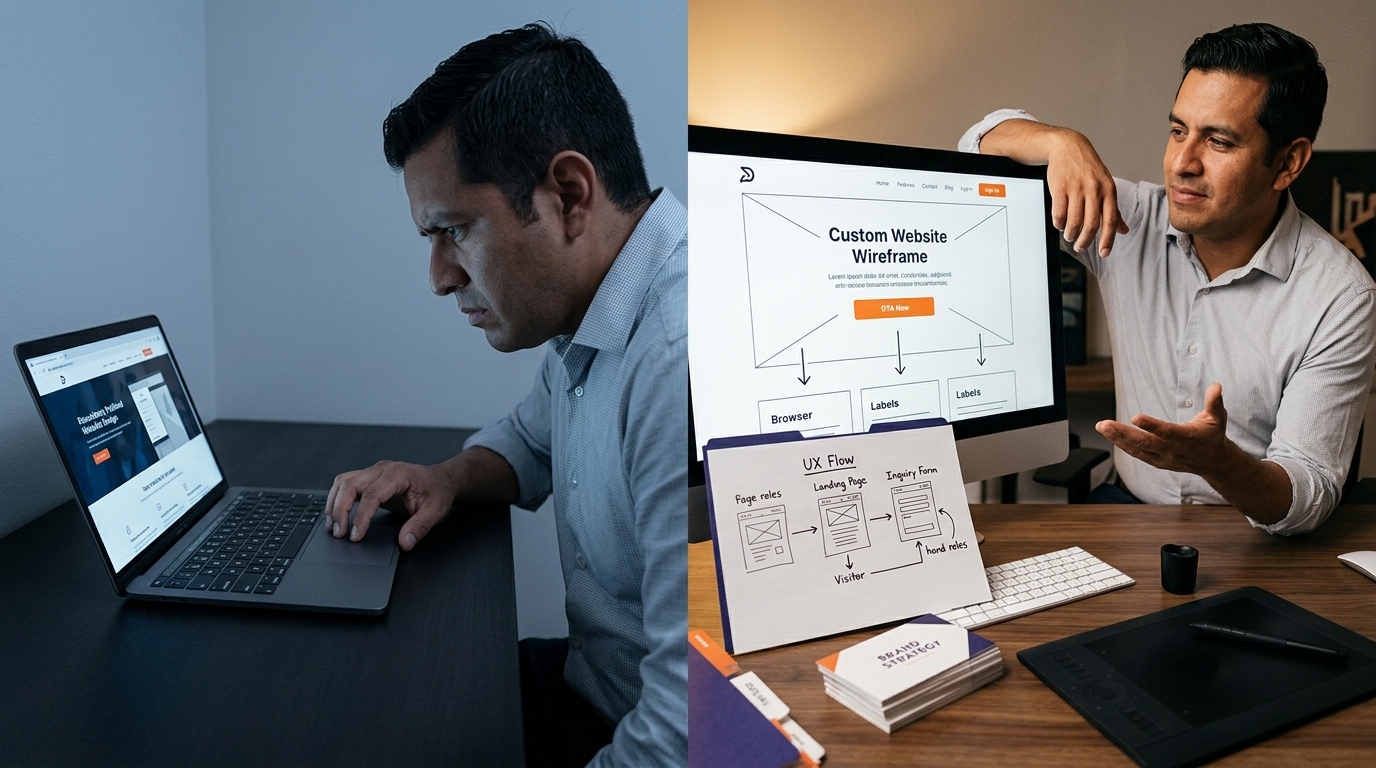
With a robust plan, your fall launch can turn your website into a conversion powerhouse. Let’s explore the steps to make it happen.
Preparing for a Fall Launch Campaign
Start by aligning your web design with campaign goals. Ensure the site’s message resonates with your target audience. A custom website design agency can tailor the experience to fit your brand. This alignment is vital for capturing potential customers as they engage with your fall marketing efforts.
Conducting a Comprehensive Site Audit
A site audit helps identify areas of improvement. Look for broken links, slow load times, and outdated content. Check for information architecture that supports user goals. An audit provides a clear picture of what needs fixing to enhance user experience and drive conversions.
Enhancing Page Flow for Better Results
Improving page flow means ensuring users naturally progress through your site. This involves page flow optimization and reducing friction points. Simplify forms, streamline navigation, and make sure all content supports the end goal. By refining the user journey, you boost engagement and sales.
Frequently Asked Questions
What makes a website conversion-focused?
A conversion-focused website guides users toward a specific action. This involves intuitive navigation, strategic CTA placement, and a clear user path.
How do I improve my website’s user experience?
Enhancing user experience involves simplifying navigation, optimizing page flow, and ensuring content is relevant and accessible.
What is the role of a site audit in web design?
A site audit identifies issues impacting user experience and conversion rates. It helps refine navigation and content to better meet user needs.
Why is CTA placement important?
Appropriate CTA placement directs users to take desired actions, increasing conversion rates and ultimately boosting sales.
How do I prepare for a fall launch campaign?
Align your website with campaign objectives, ensure it resonates with your audience, and conduct a site audit to optimize user experience.

0 Comments