


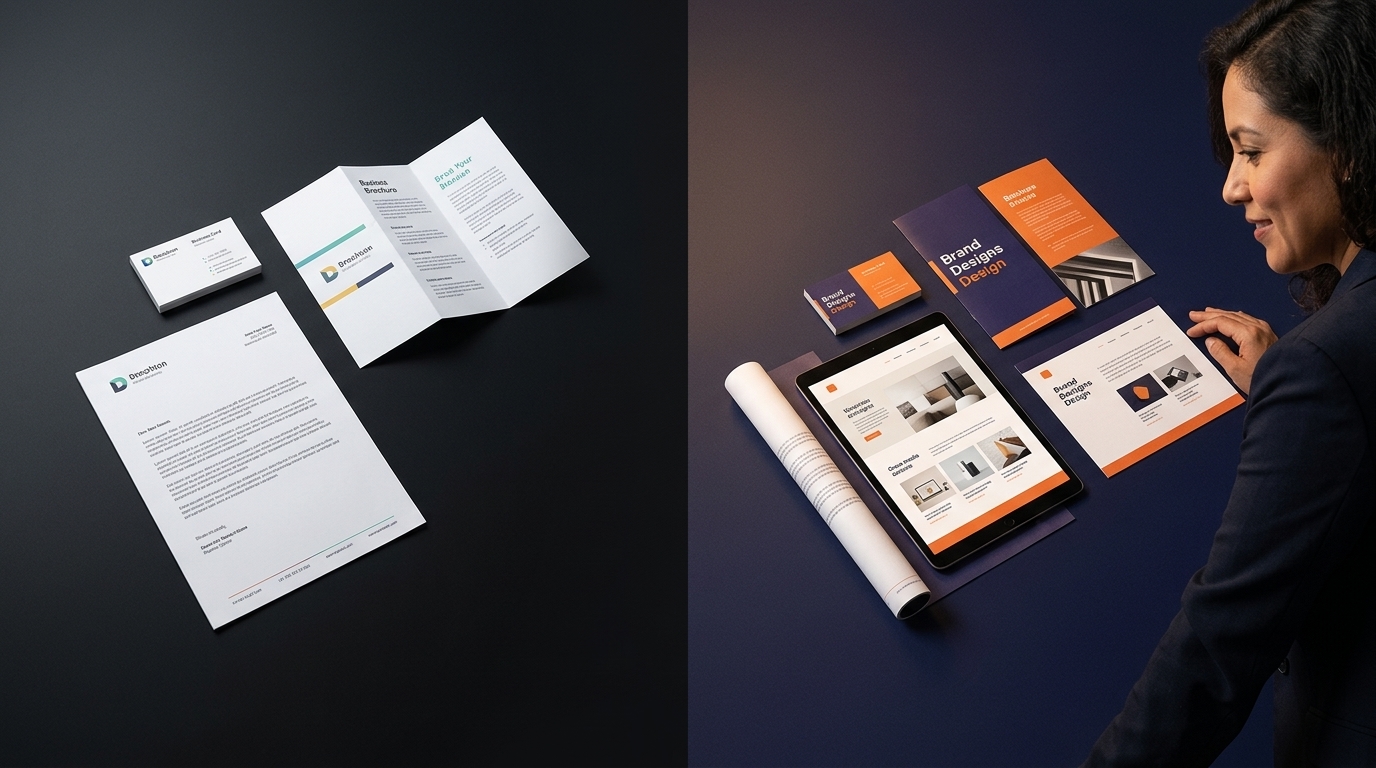
Your website, print materials, and branding look polished but don’t feel connected. That scattered vibe creates confusion and makes it harder for people to trust your brand. When your logo, motion, and web design come from one unified brand system, every touchpoint tells the same story—making your business clearer and easier to act on. Let’s explore how bringing these pieces together sparks trust and turns browsers into buyers. For more insights, check out this article on design systems.
The Pitfalls of Disconnected Branding
When brand elements don’t match, it can confuse your audience. Each piece might look good, but together they create a scattered impression. Let’s see how this affects your brand’s impact.
Frustrations of Inconsistent Design
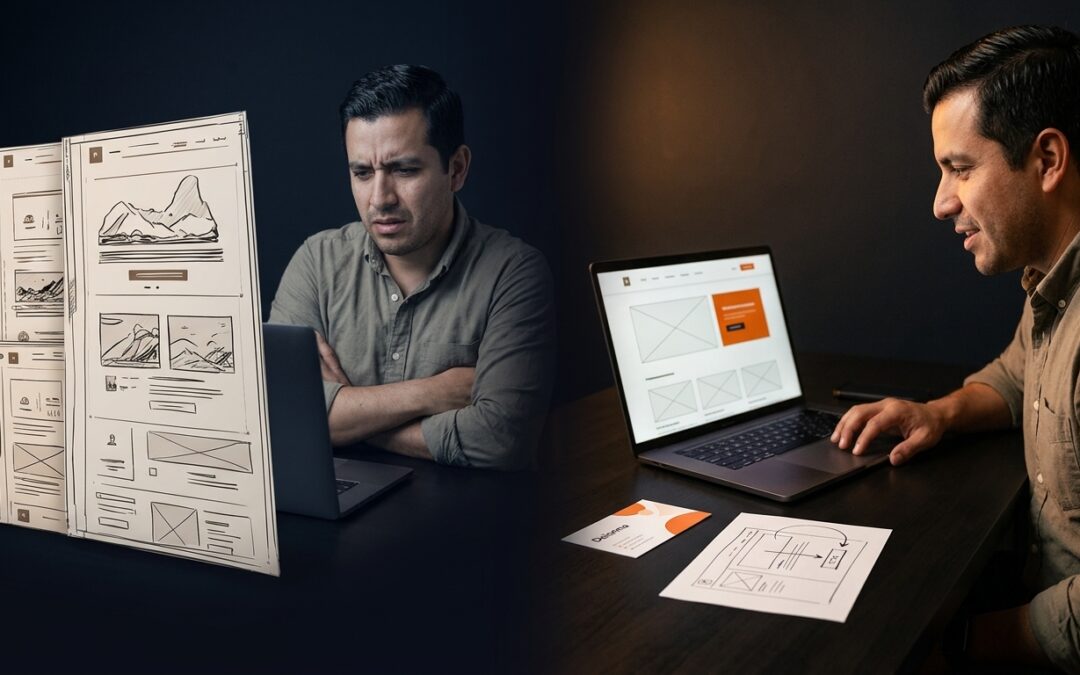
A disconnected design can frustrate both you and your audience. Imagine a sleek website paired with outdated brochures. This mismatch can make potential customers question your brand’s professionalism. When designs don’t sync, it feels like each element belongs to a different story. This confusion can make it hard for customers to know who you are. It can even lead to missed opportunities, as people might leave your site or ignore your materials. To make a stronger impression, it’s key to ensure every element of your brand shares the same story.
Impact on Brand Recognition and Trust
Brand trust is crucial for conversion. When your logo, website, and print materials don’t match, it can erode this trust. Customers might doubt your credibility if they notice inconsistency. Think about recognizable brands: their logos, colors, and fonts are consistent across all platforms. This consistency boosts recognition, making it easier for customers to trust and choose them. Building trust starts with unified branding. When your brand signals the same message everywhere, customers are more likely to remember and rely on you.
Benefits of a Unified Design System
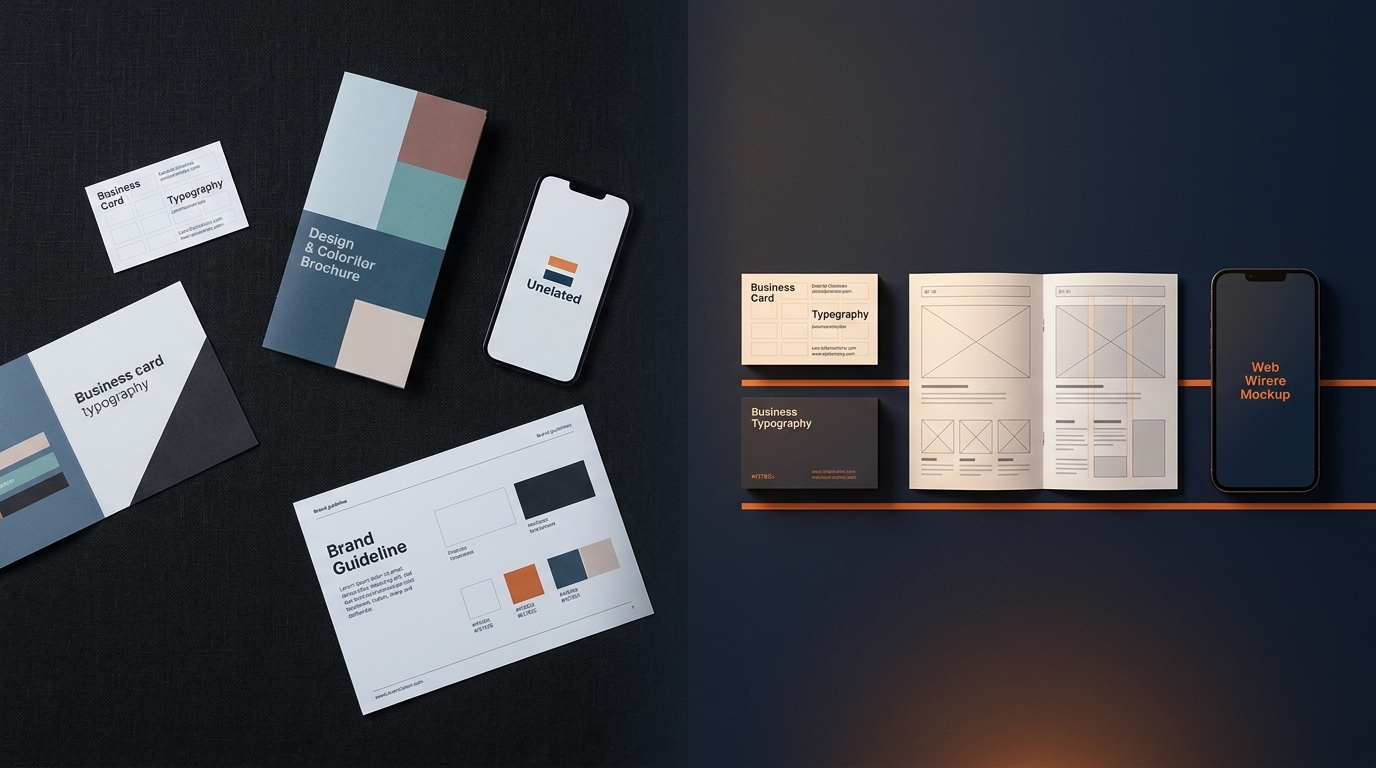
A connected design system transforms how people see and interact with your brand. This leads to increased credibility and opportunities for growth.
Cohesive Branding for Credibility
Unified branding means your design speaks with one voice. When customers see a cohesive look, it builds trust instantly. Consistent colors, fonts, and imagery across your website, brochures, and ads tell customers you care about details. This attention to detail reflects on your business’s reliability. A strong brand identity isn’t just about looks. It’s about creating an emotional connection. When all elements align, your brand feels solid and dependable. This connection can be the deciding factor for potential customers to choose your business over others.
Conversion-Focused Design Strategies
A unified design doesn’t just impress visually; it drives action. Clear, consistent branding guides customers to trust and engage with your business. Every element works together to lead potential customers towards a purchase. Think about the flow from a website to a contact form. If the design feels familiar and reliable, users are more likely to complete the action. A cohesive design reduces friction, making it easier for visitors to become paying customers. By simplifying choices and building trust, your design becomes a conversion tool.
Building a Cohesive Brand Presence
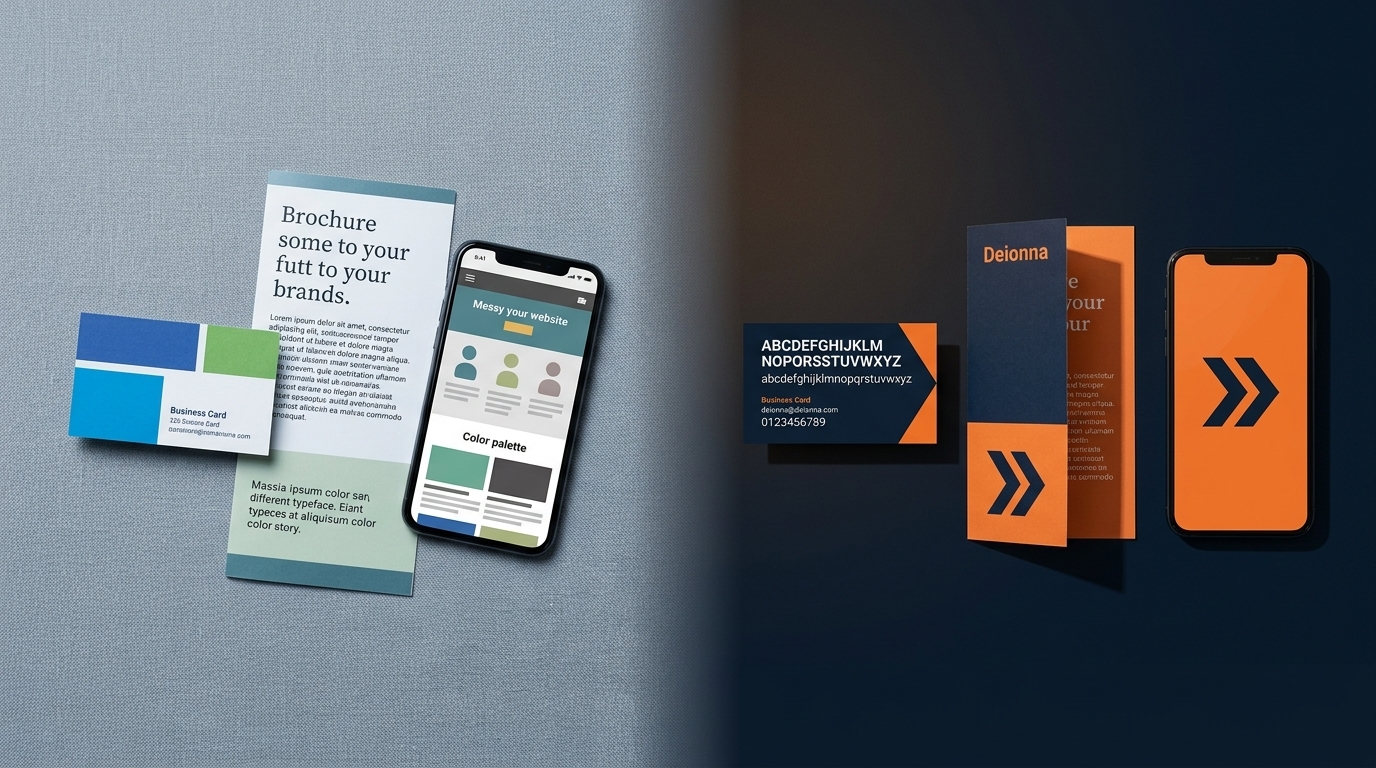
Creating a consistent brand isn’t just about looks; it’s about strategy. Let’s explore how different design elements can work together seamlessly.
The Role of Cross-Disciplinary Design
Cross-disciplinary design means integrating skills from different areas to create a cohesive brand experience. This approach ensures that every part of your branding, from motion graphics to print, aligns perfectly. By combining expertise from various design fields, you can craft a brand that feels unified and intentional. This method not only enhances the visual appeal but also strengthens the brand message. A unified approach across disciplines tells a compelling story, making your brand memorable and trustworthy. The consistency across platforms reassures customers, building confidence in your brand.
Achieving Web and Print Cohesion
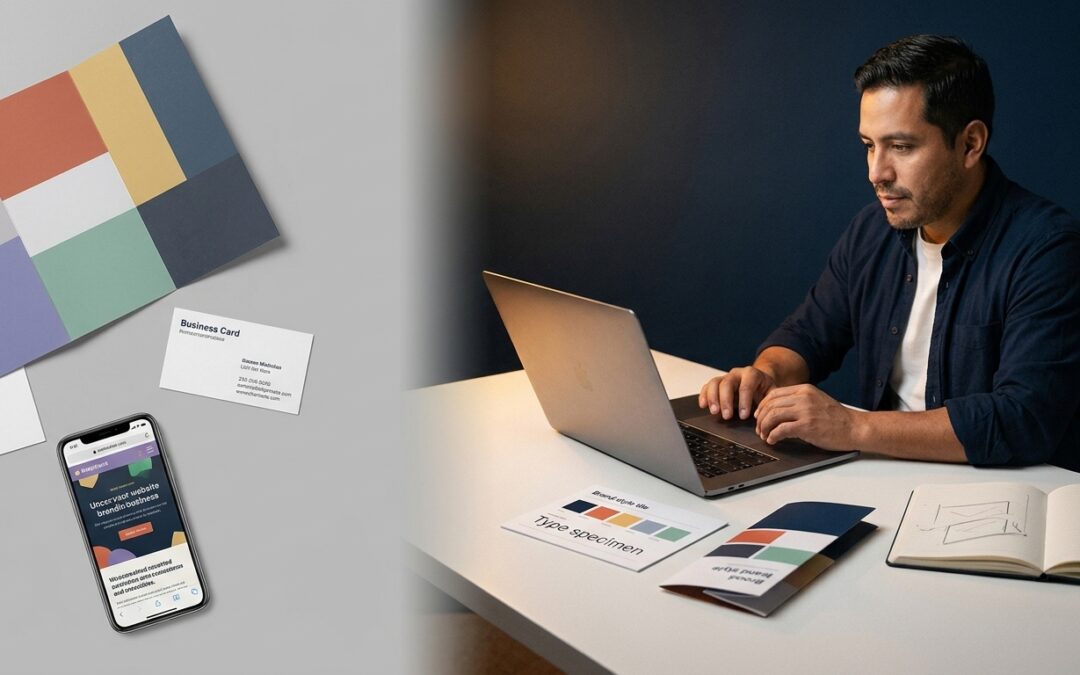
Achieving harmony between web and print materials can elevate your brand. When your website and printed materials share a cohesive design, it reinforces your brand’s identity everywhere. Start by using the same color schemes, fonts, and imagery. This visual unity helps customers recognize your brand, whether they see it online or in print. Consistent design elements make your brand more memorable. When customers encounter the same look and feel across different mediums, it creates a strong, reliable impression. This cohesion not only looks professional but also builds trust in your brand’s capabilities.
Frequently Asked Questions
Why is consistent branding important?
Consistent branding helps build trust and recognition. When your brand elements align, customers are more likely to remember and choose your business.
How does a design system improve conversion rates?
A design system creates a smooth, familiar experience for users. This consistency reduces friction, making it easier for visitors to engage and convert.
What is cross-disciplinary design?
Cross-disciplinary design integrates skills from various fields to create a cohesive brand experience. This approach ensures all brand elements work together seamlessly.
How do you ensure web and print materials match?
Use the same colors, fonts, and imagery across all platforms. This visual consistency reinforces your brand identity and enhances recognition.
What are the benefits of a unified brand system?
A unified brand system builds credibility, enhances recognition, and drives conversion. Consistent branding elements create a reliable, professional impression.

0 Comments