


Your brand feels scattered when your website, brochure, and sales collateral don’t speak the same language. That disconnect often happens at the handoff between digital and print. A consumer-centric design process removes that guesswork, making your brand intuitive and consistent across every touchpoint. Keep reading to see how aligning your brand’s look and message can boost trust and simplify engagement. Learn more about experience design shaping brand experience here.
The Power of Consumer-Centric Design
A consumer-centric design process transforms your brand into a cohesive and intuitive experience. By focusing on the end user, your brand builds trust and engagement across digital and print platforms. Let’s explore how this approach can benefit your brand.
Building Brand Consistency
A consistent brand is essential for recognition and trust. When your website, brochures, and collateral share the same design language, they tell a unified story. This unity comes from aligning visuals and messages, creating a smooth experience for your audience. Consistency in design helps your brand stand out and become memorable.
Eliminating Design Handoff Friction
Design handoffs can create roadblocks. When digital and print designs lack harmony, your brand feels disjointed. A consumer-centric approach removes these barriers by maintaining a seamless transition between platforms. This method ensures that every touchpoint reflects your brand’s identity, making it easy for customers to engage and understand your message.
Mapping the User Journey
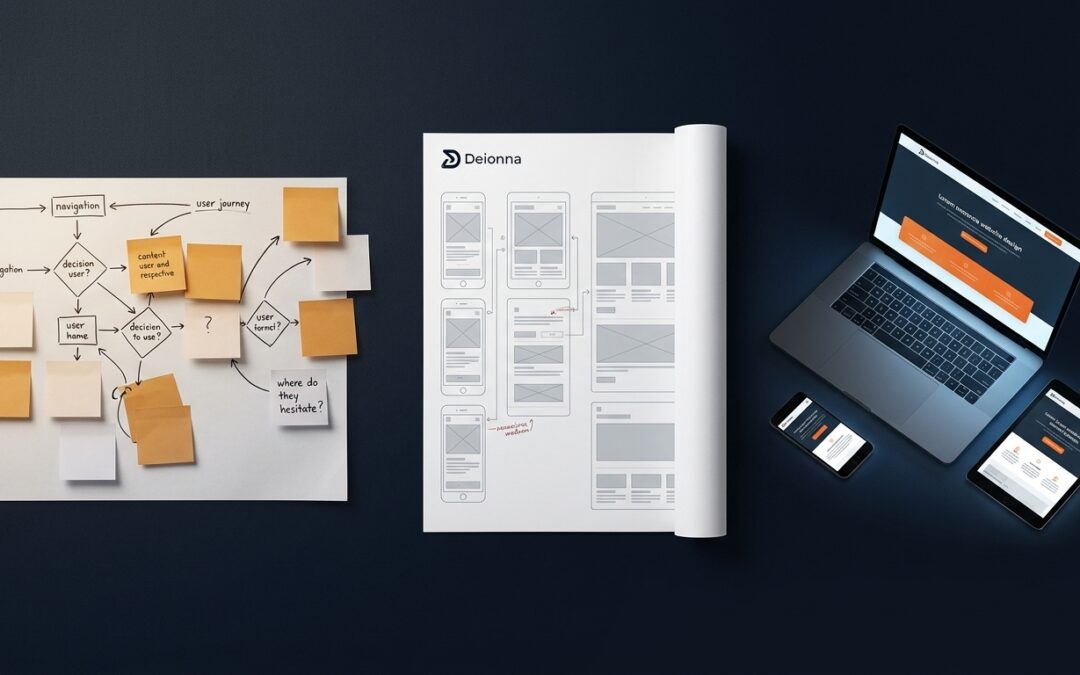
User journey mapping is crucial for identifying interaction points. By understanding how users engage with your brand, you can tailor each touchpoint to meet their needs. This process involves studying user behavior and preferences, allowing you to create a design strategy that resonates. A well-mapped journey enhances user satisfaction and loyalty.
Cross-Disciplinary Design Benefits
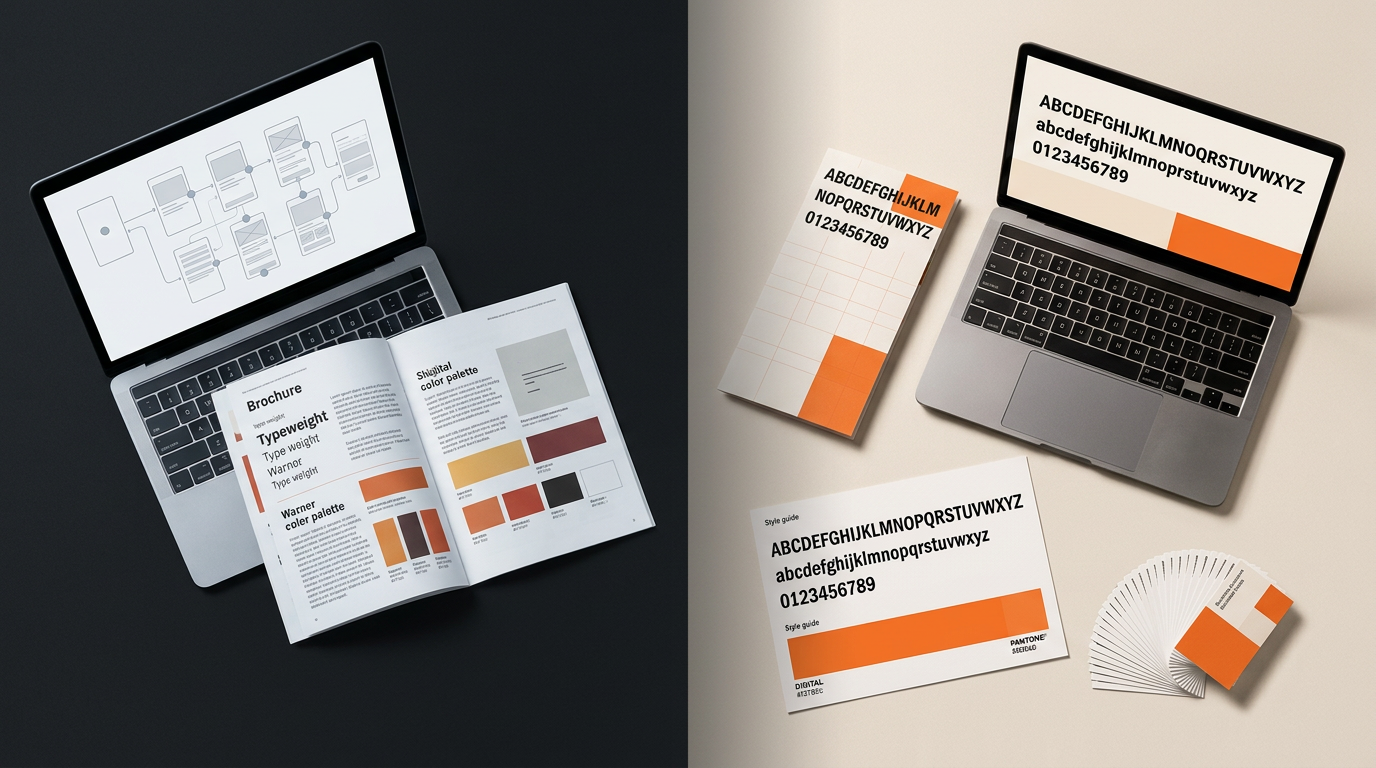
Cross-disciplinary design offers comprehensive solutions for your brand. By merging digital and print expertise, you can achieve a harmonious brand presence. Let’s dive into the advantages of this approach.
Digital and Print Alignment
Aligning digital and print design is key to a cohesive brand experience. When these elements work together, your brand delivers a consistent message. This integration eliminates confusion and reinforces your brand’s identity. By ensuring that all materials reflect the same values, you create a unified brand voice that resonates with your audience.
Creating an Omnichannel Brand Experience
An omnichannel brand experience ensures that your audience receives a seamless interaction across all platforms. This approach focuses on delivering consistent messaging, regardless of the medium. By adopting a consumer-centric design strategy, your brand can engage users effectively, ensuring they receive the same quality experience, whether online or offline.
Integrating Messaging Hierarchy
Clear messaging hierarchy guides users through your brand story. By organizing information effectively, you direct attention to the most important aspects of your brand. This clarity helps users navigate your content effortlessly, enhancing their experience and increasing engagement. A well-integrated messaging hierarchy ensures that your brand communicates its values effectively.
Achieving Web and Print Cohesion
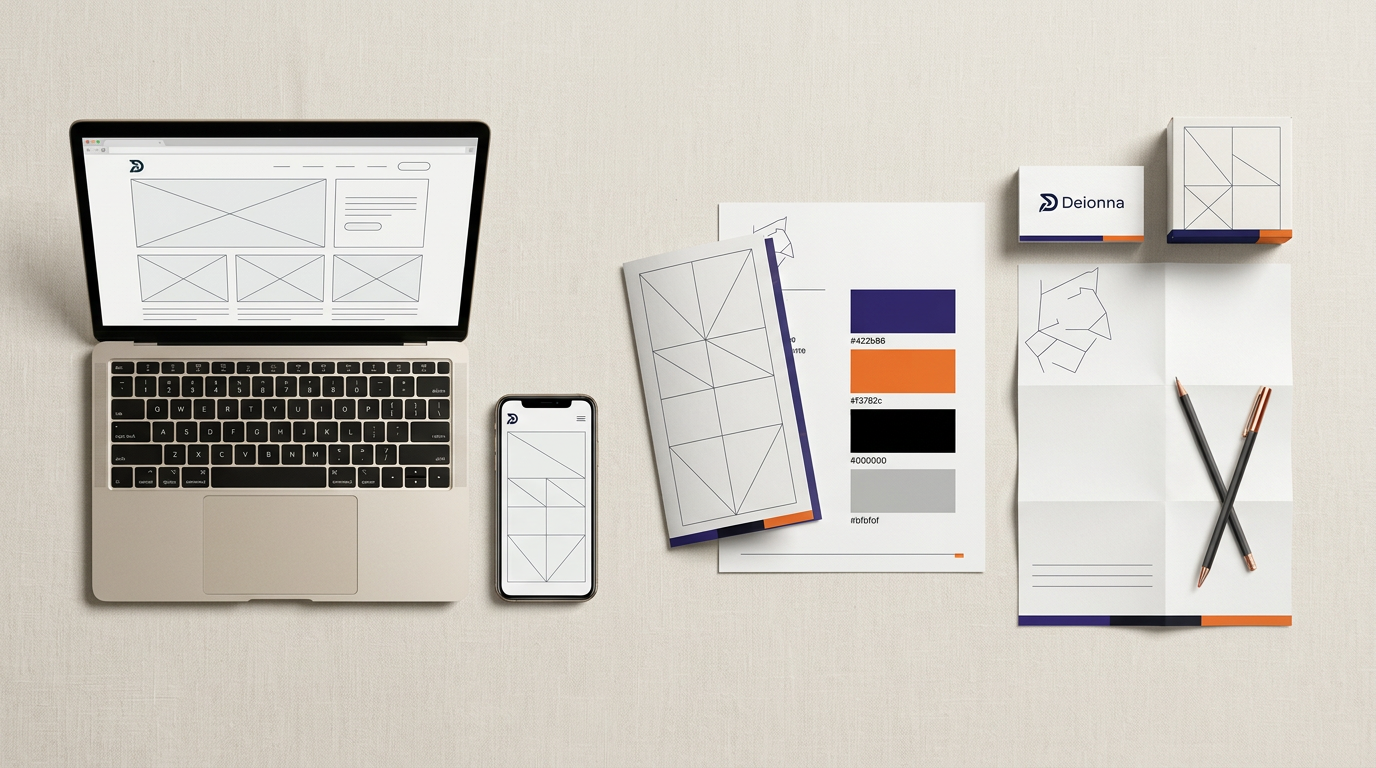
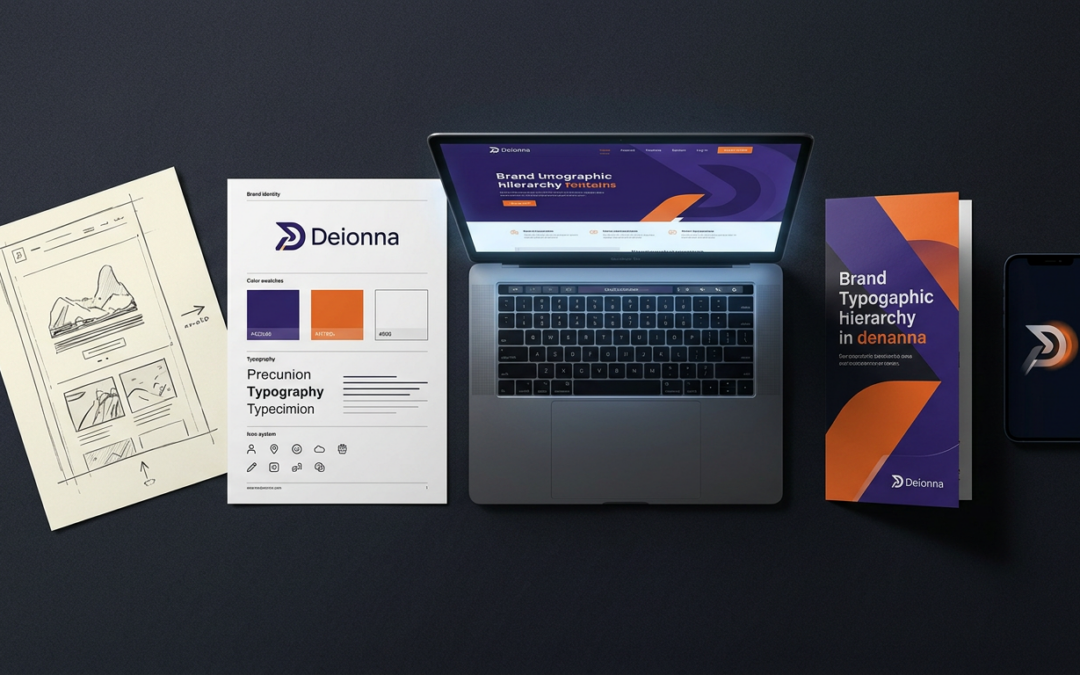
Achieving cohesion between your web and print materials is essential for a unified brand identity. By implementing a strategic approach, you can create a seamless experience that strengthens your brand.
Implementing a Unified Brand System
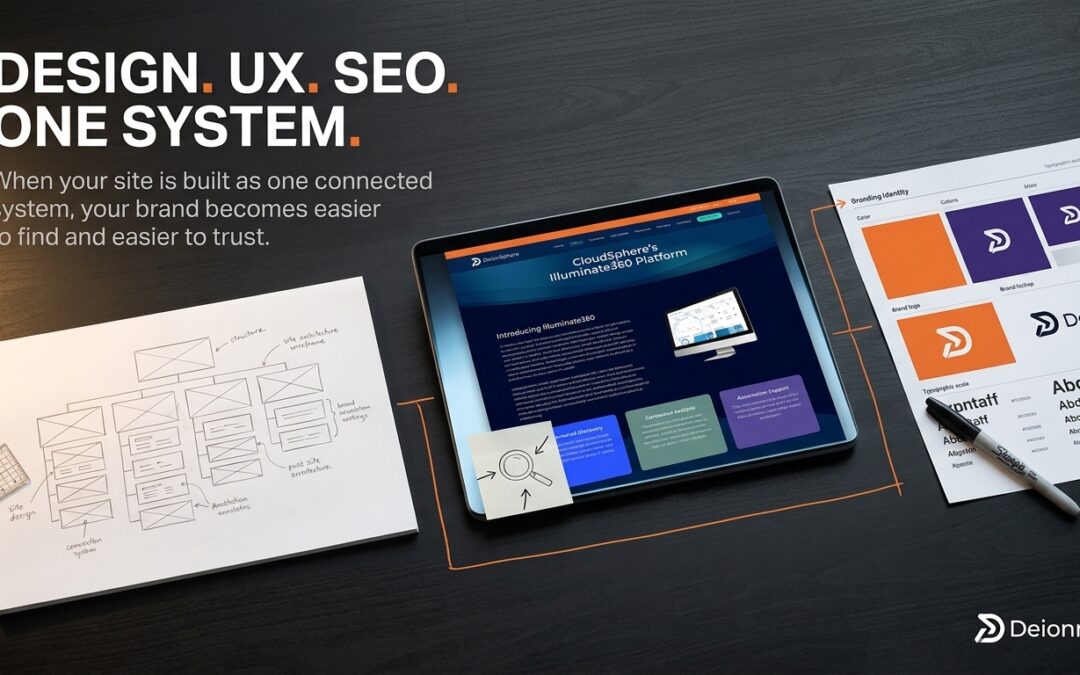
A unified brand system ties all elements together, creating a seamless experience. By establishing guidelines and frameworks, you ensure that every touchpoint aligns with your brand’s vision. This system simplifies design processes and ensures consistency, making it easier to deliver cohesive and impactful brand experiences.
The Role of a Component Library
A component library serves as a toolkit for designers, providing reusable elements that maintain consistency across platforms. This library streamlines design processes, ensuring that all materials adhere to your brand’s standards. By utilizing a component library, you can efficiently create cohesive designs that resonate with your audience.
Leveraging Brand Guidelines and Touchpoint Strategy
Brand guidelines and touchpoint strategy are essential tools for maintaining a unified brand presence. These frameworks provide direction for design decisions, ensuring that every element aligns with your brand’s identity. By leveraging these tools, you can create a consistent and engaging experience that captures your audience’s attention and fosters loyalty.

0 Comments